Photographic Content Analysis- Dedicated to extracting accurate details, through stringent analysis, grounded in truth and integrity.
The majority of the images below have additional details and/or research associated with their content. Click the image to view the relevant research.


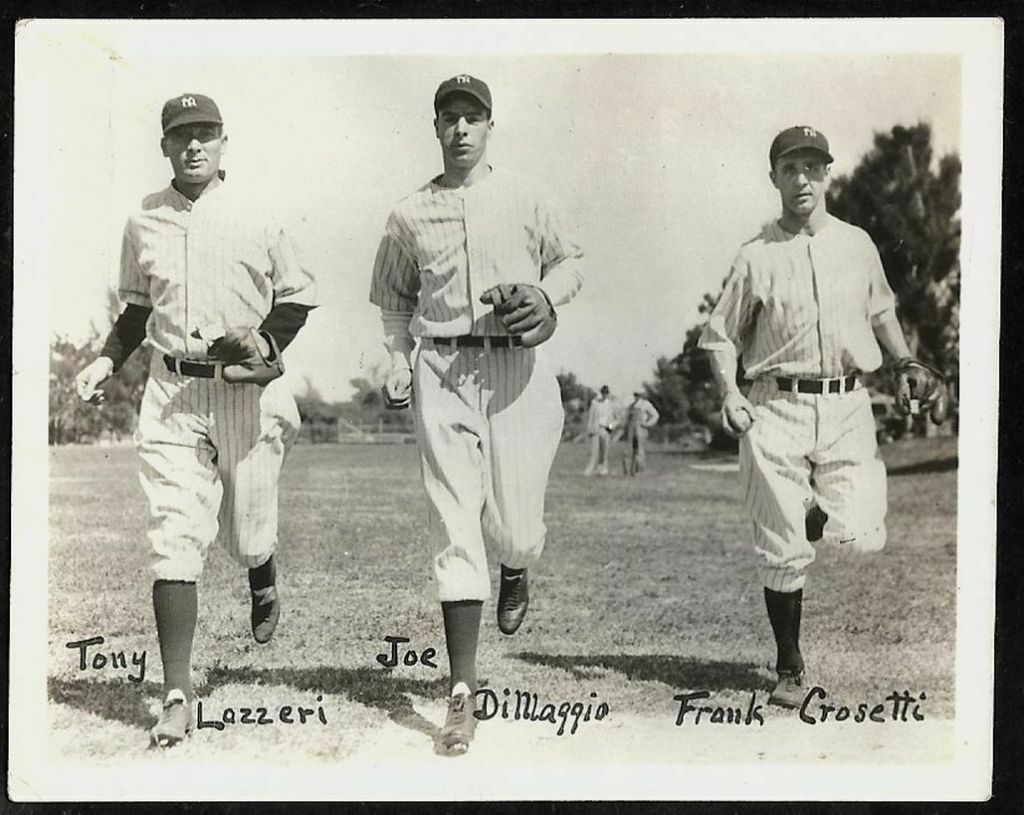

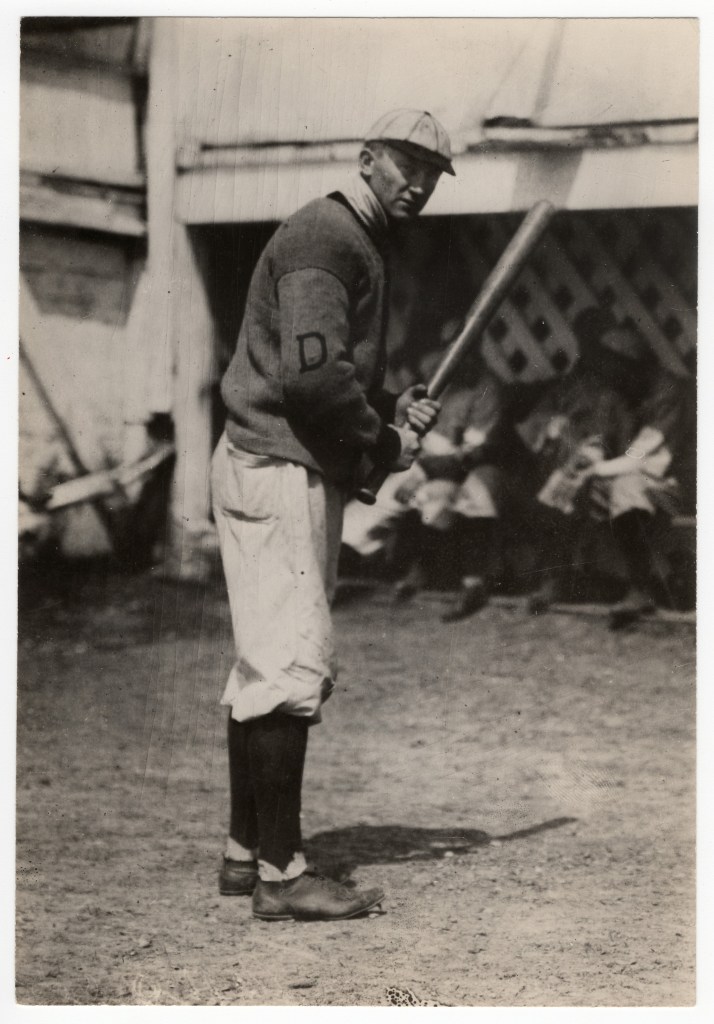


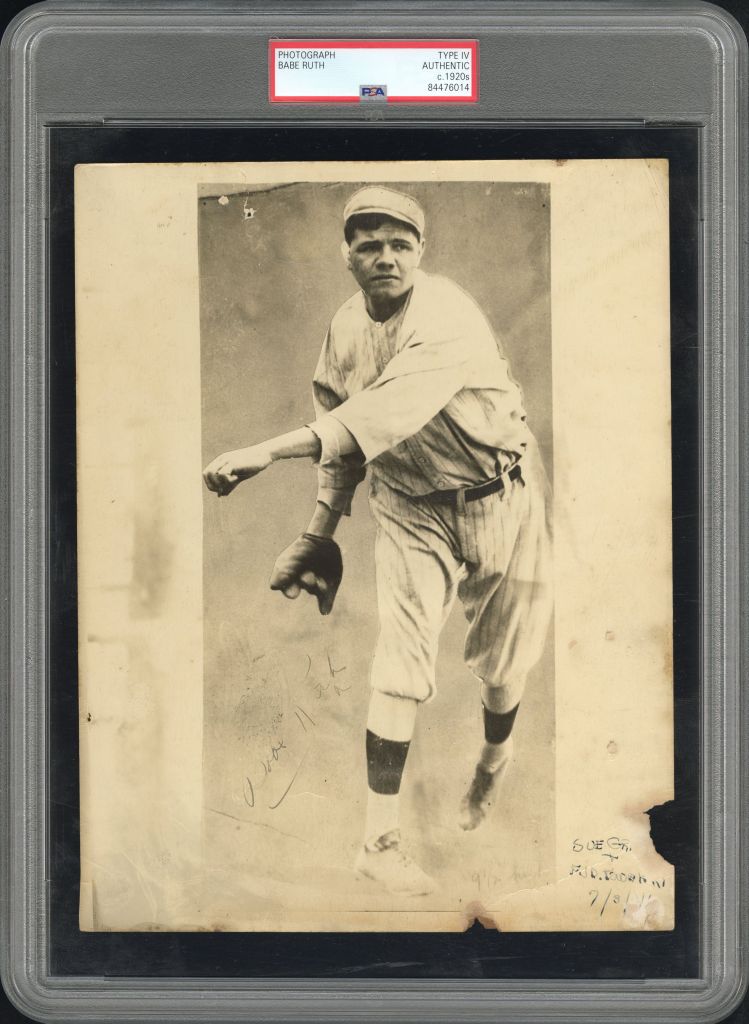

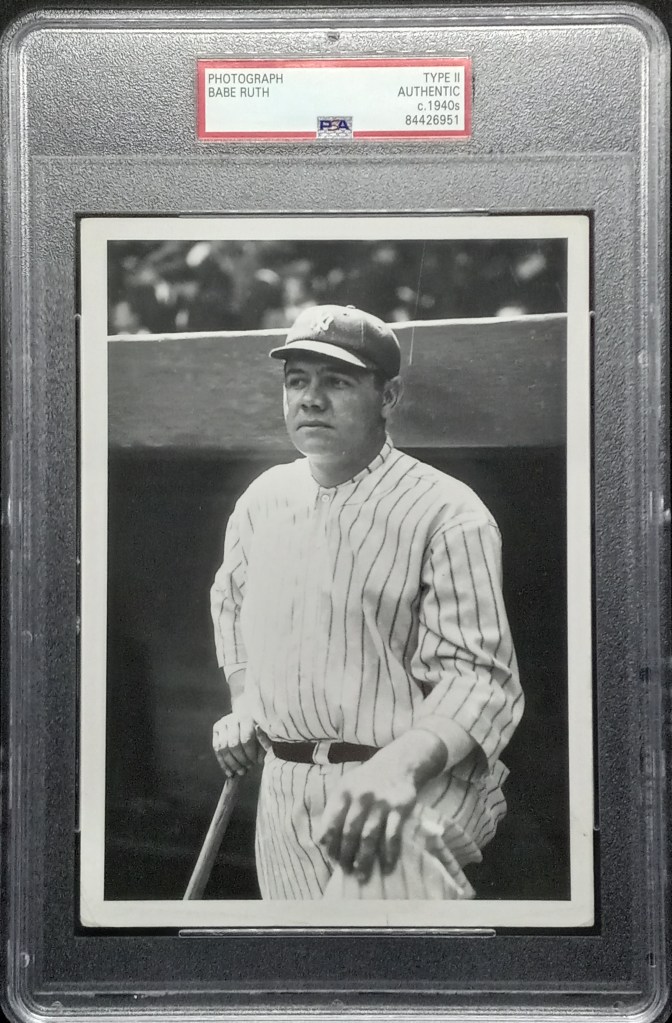
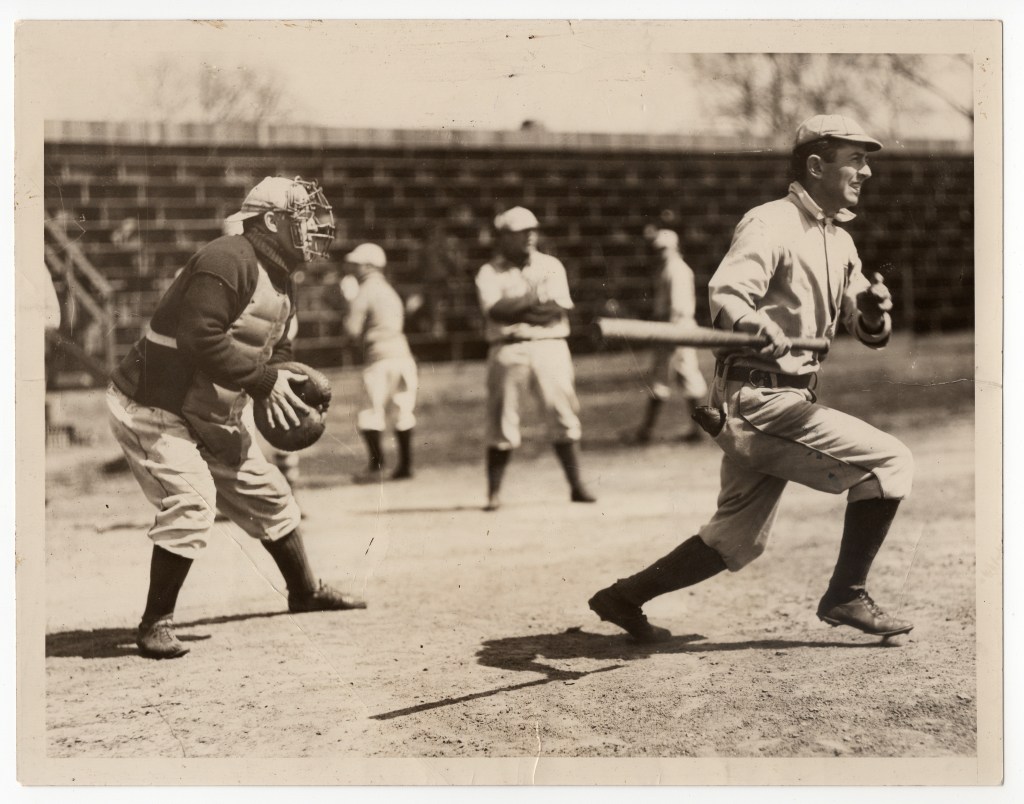
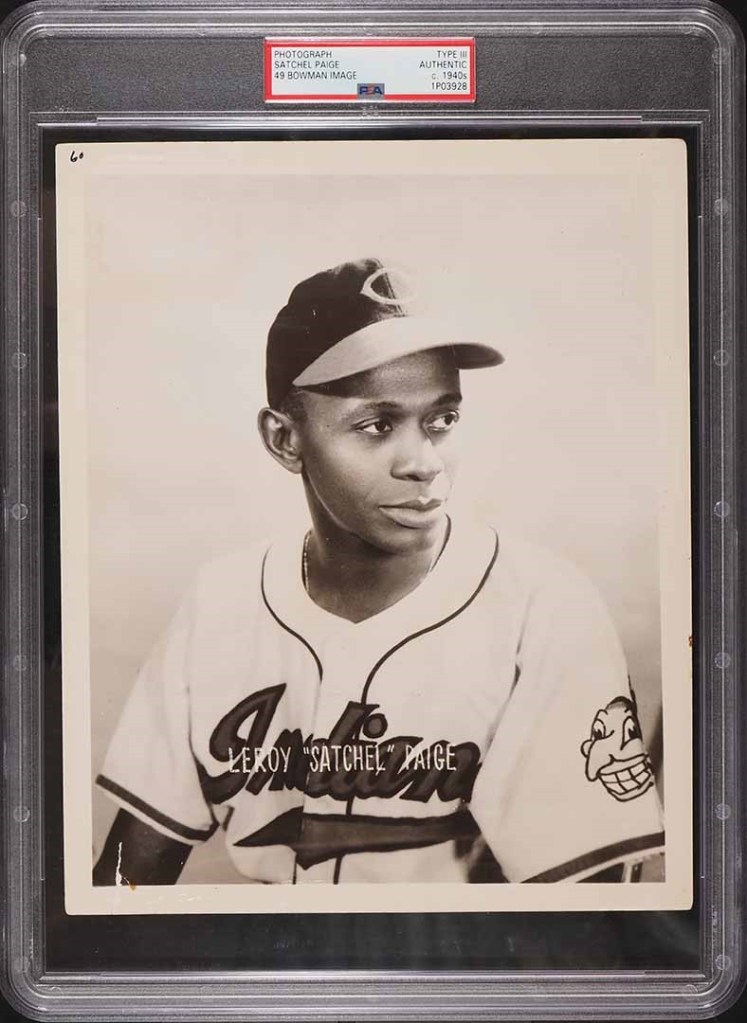
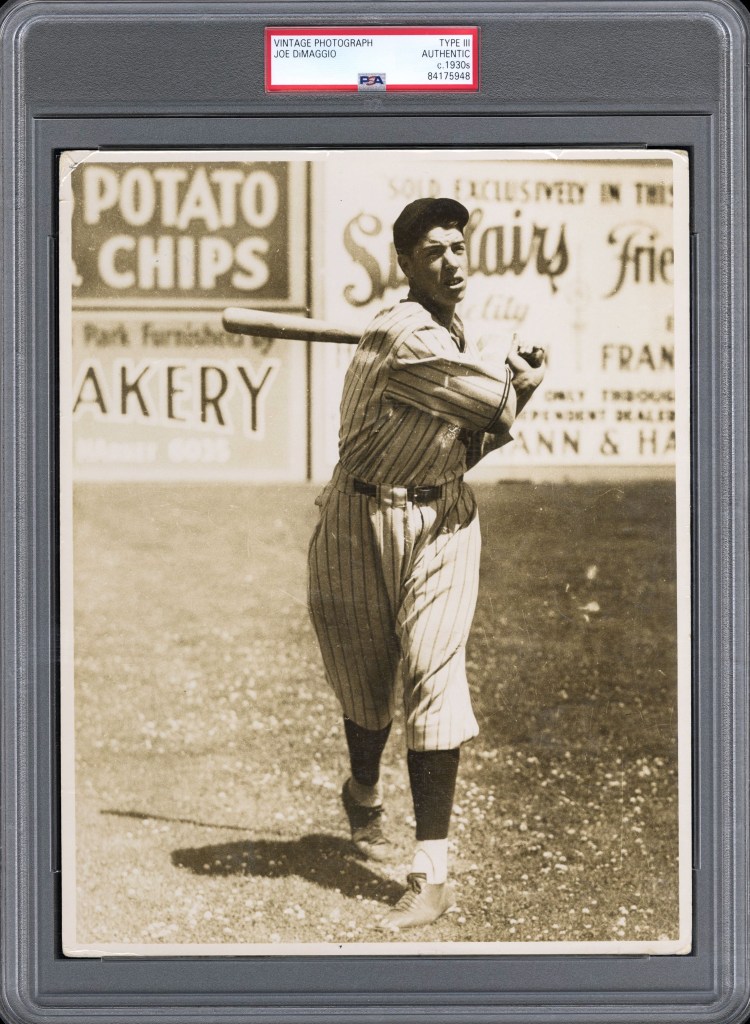
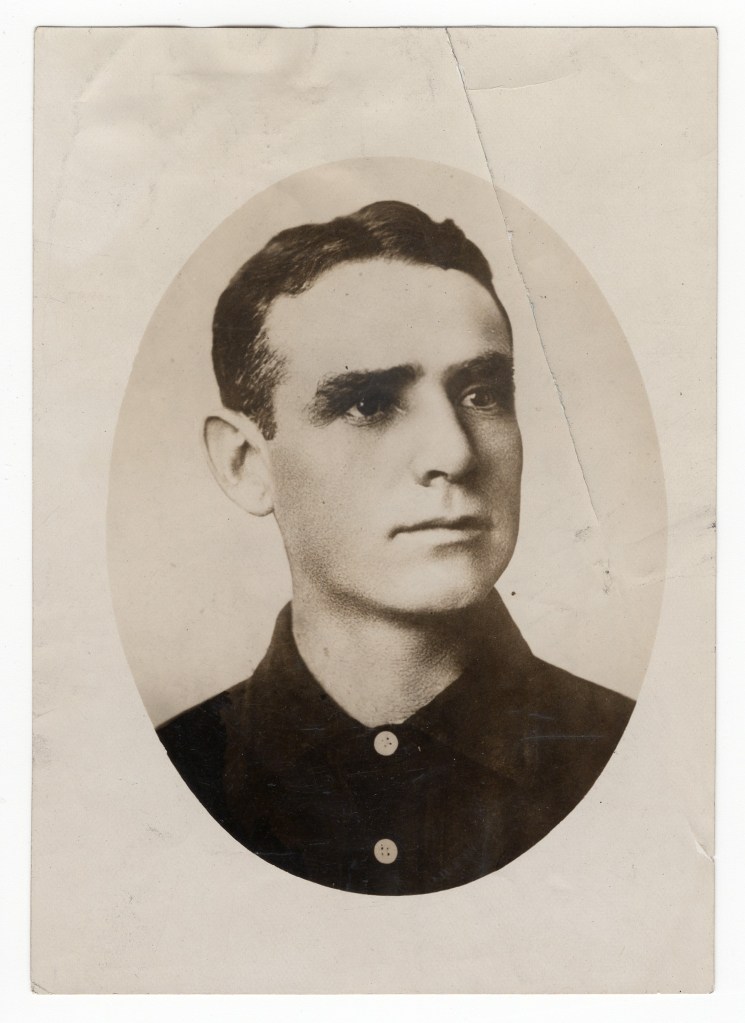


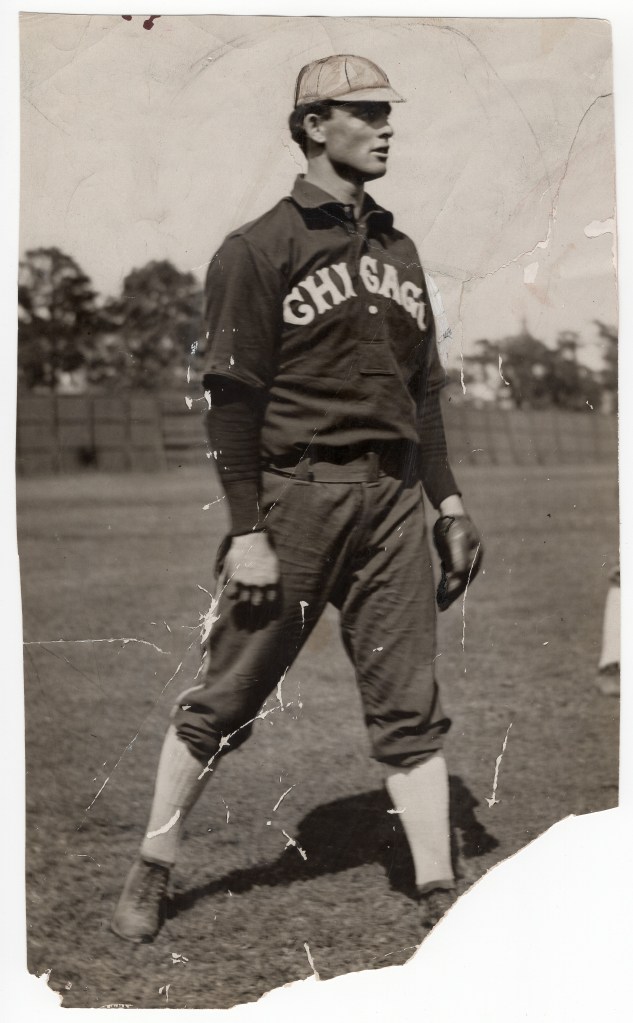
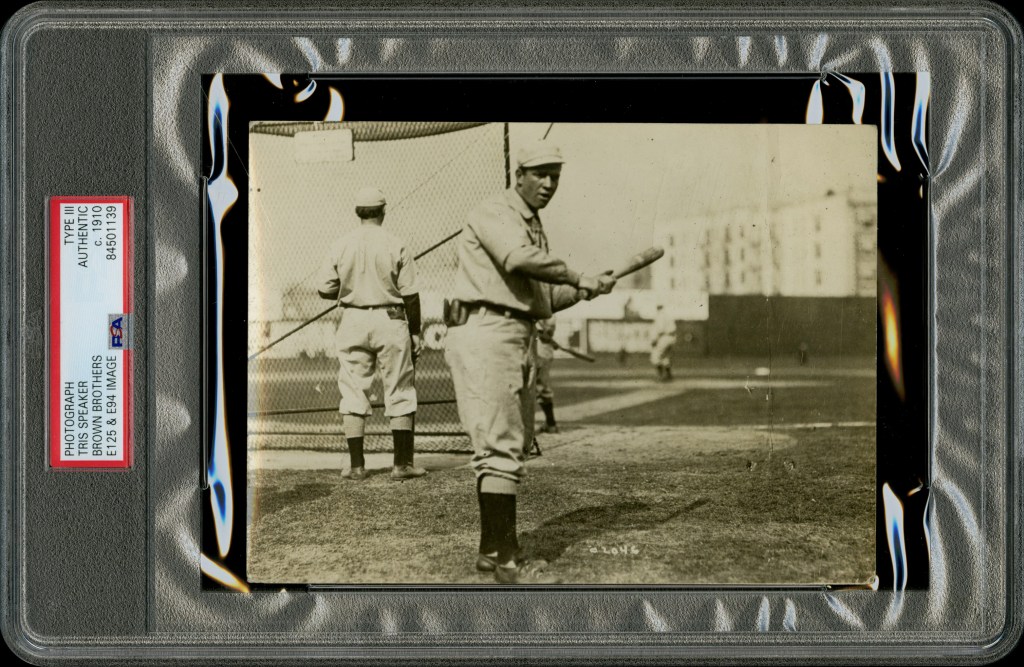
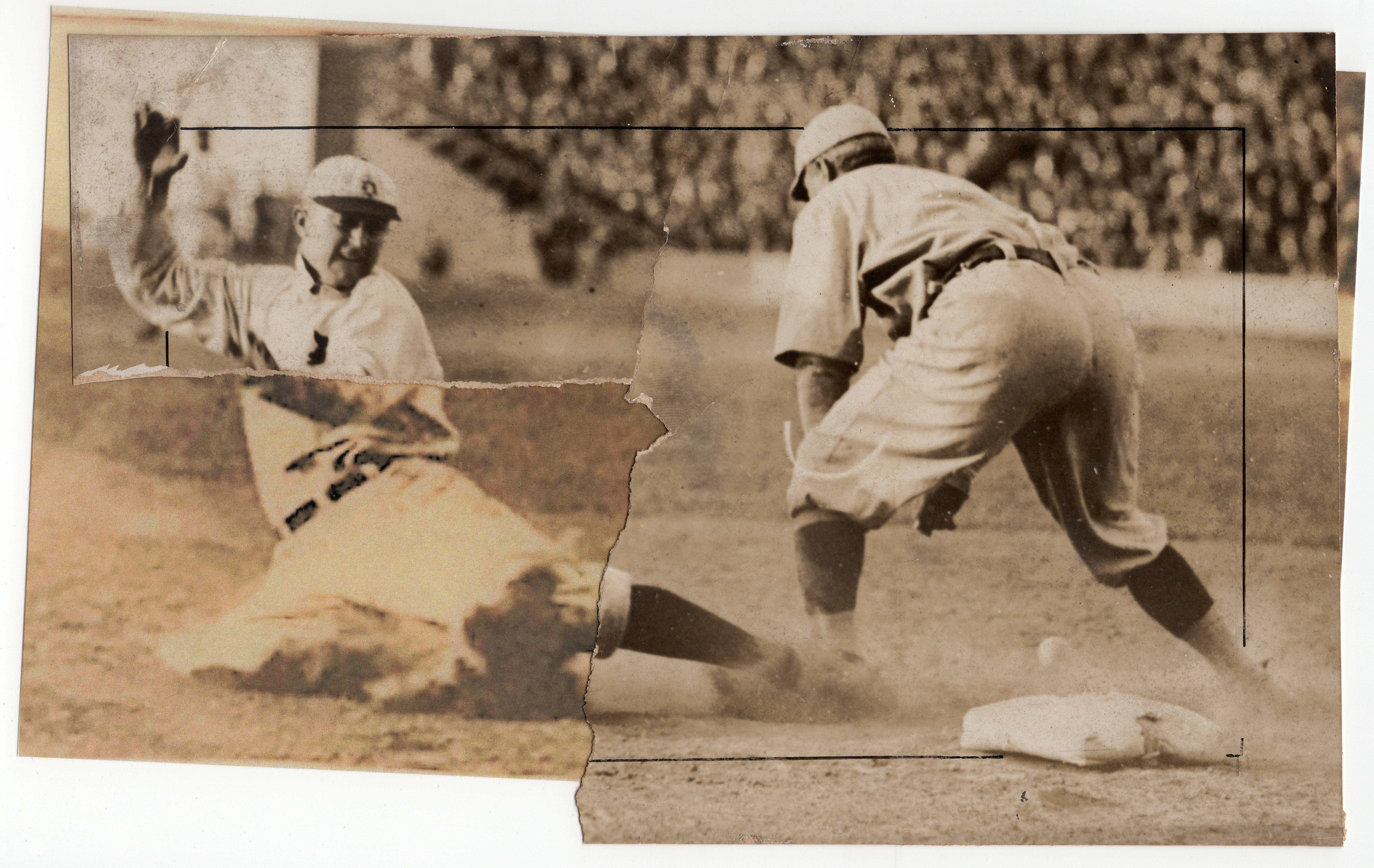
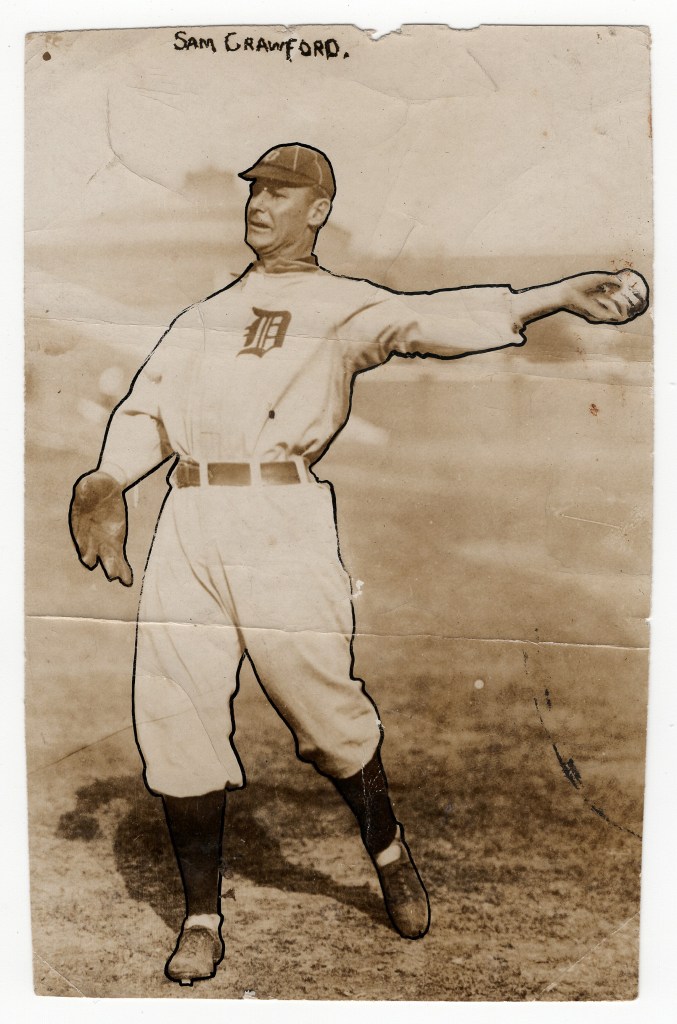

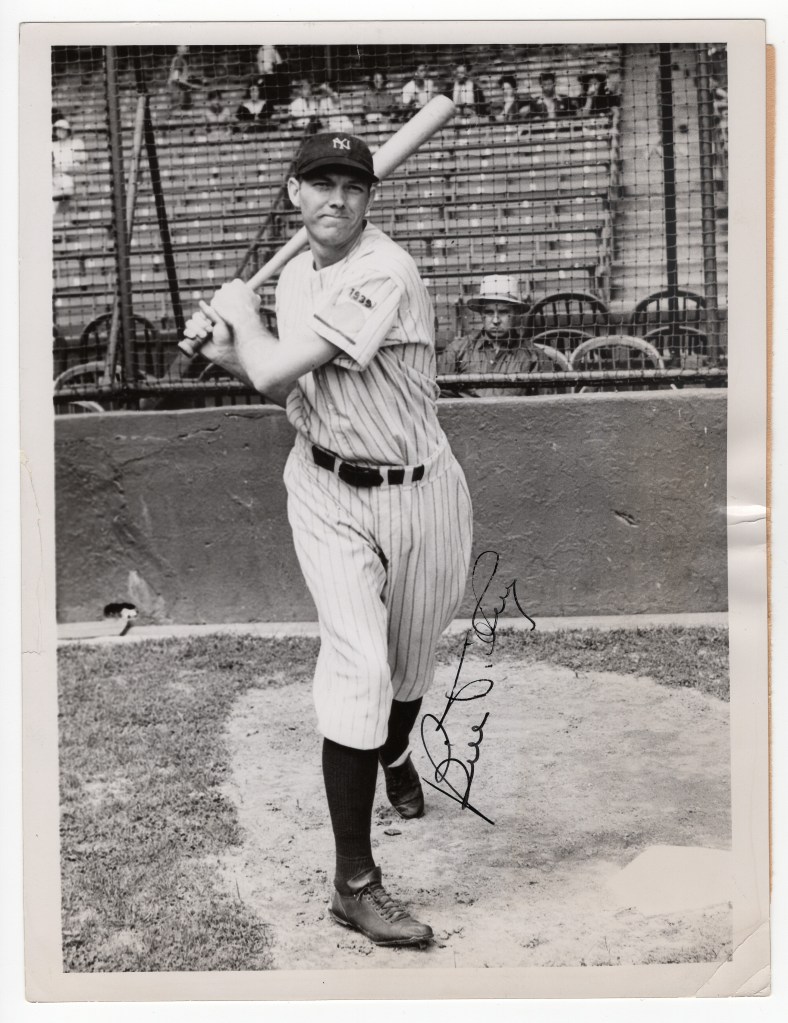
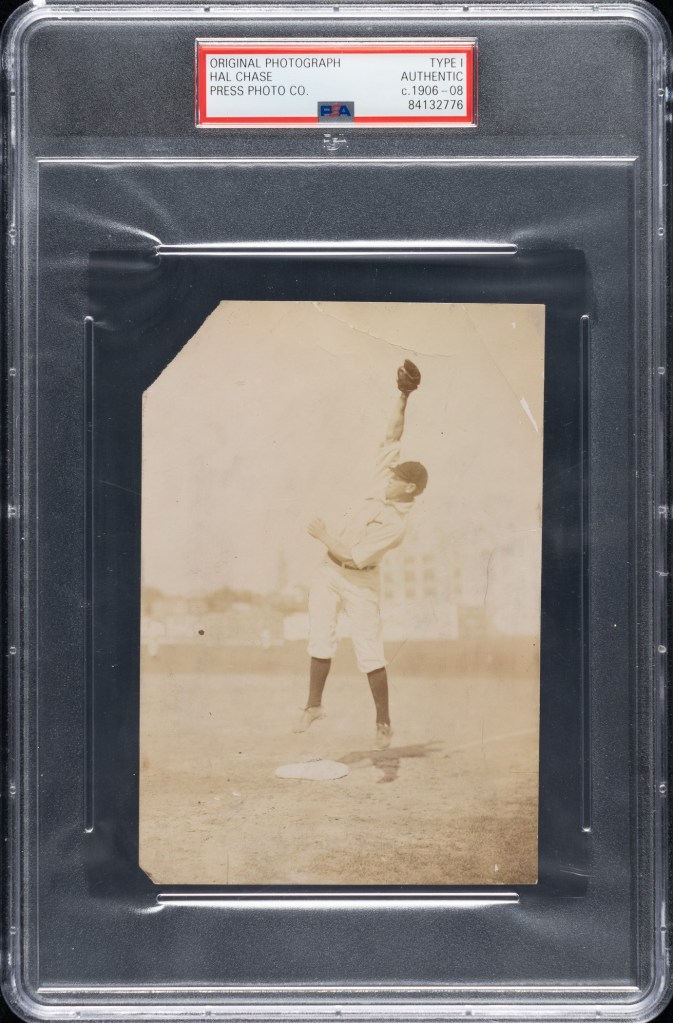
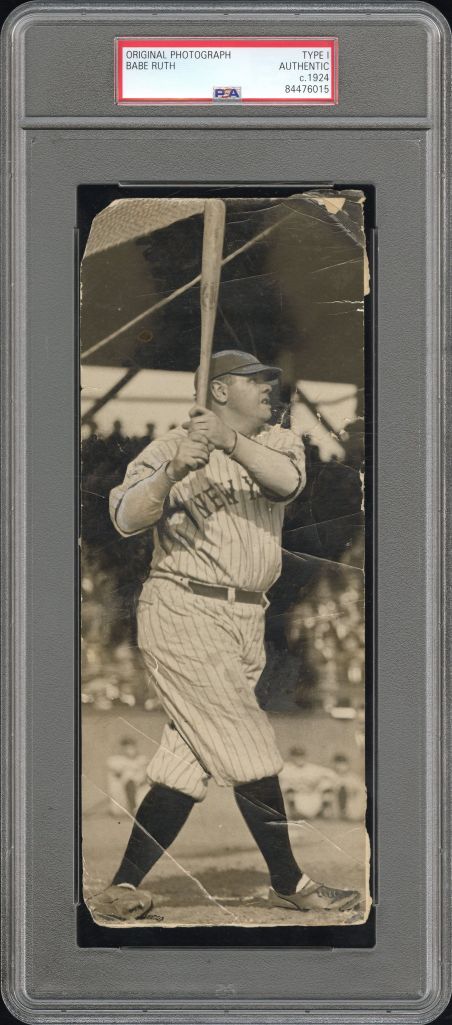
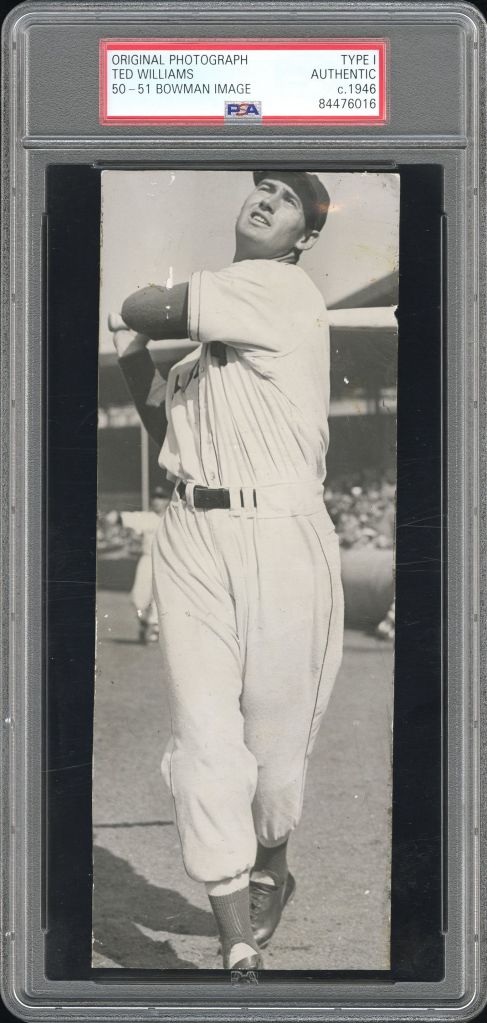
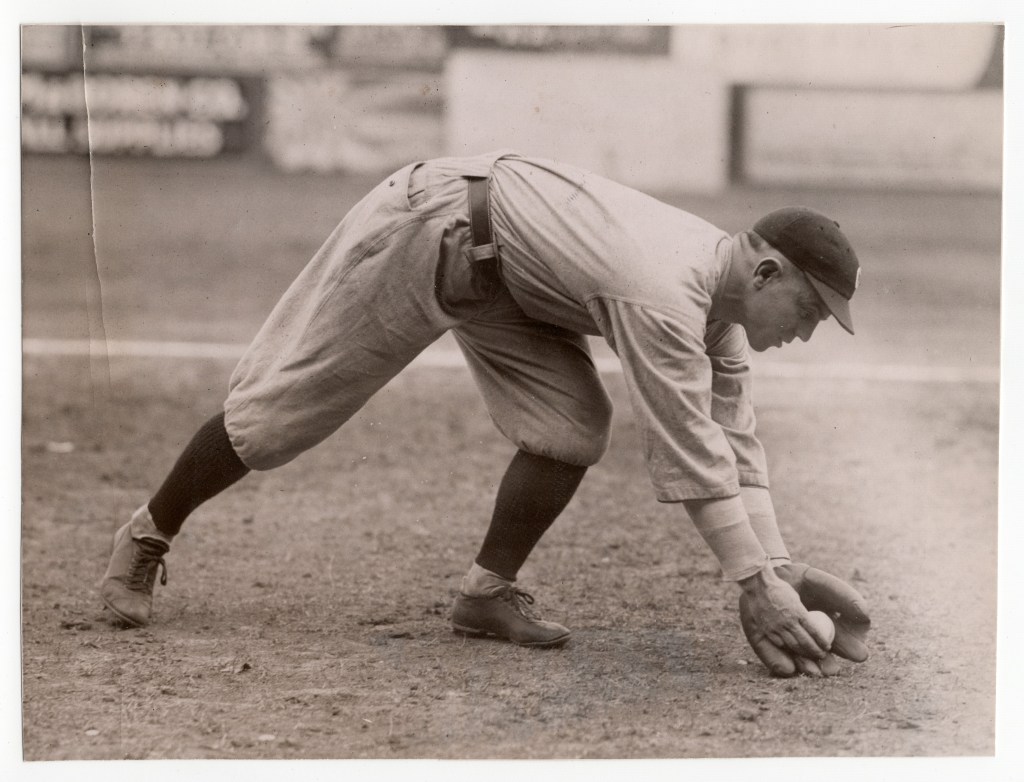
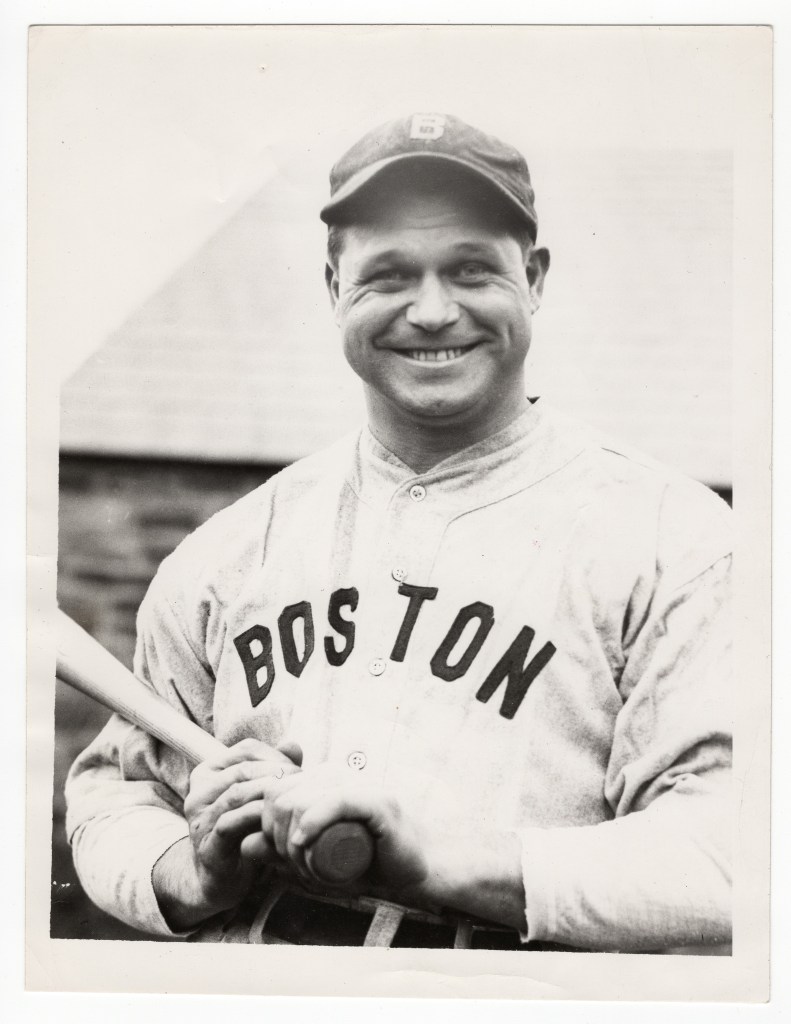
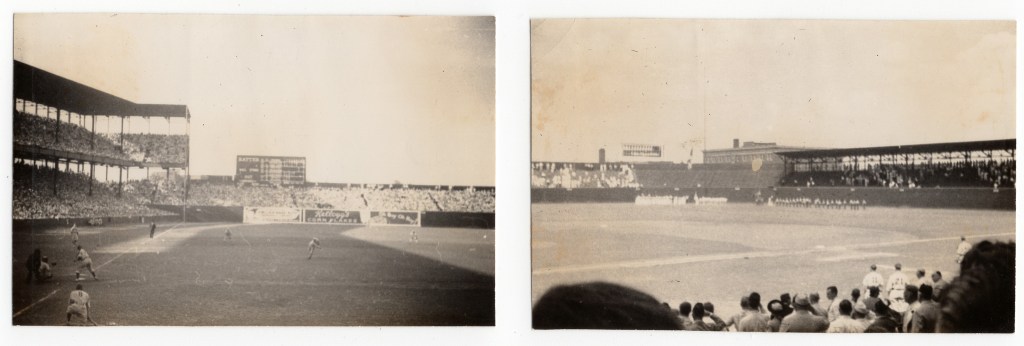
A note about Type classifications of photographs-
As the vintage photograph market is maturing, many vintage photo collectors have watched Type 1 photographs become harder to obtain, as competition heats up and prices continue to rise; And ultimately, a Type 1 photograph (developed from the original negative, around the time of the event) is generally regarded as the best possible original photo, both in clarity and in vintage, but I would encourage you to not overlook the “subordinate” photographs. This can be done by viewing ALL photographs, as the potentially dynamic artifacts that they are. Don’t just discredit a non-Type 1 photo, I challenge you to delve deeper and appreciate the photographic hobby completely.
CONTEXT
For example, a Type 2 photograph (developed from the original negative, but later than when the negative was created), could be just outside of the Type 1 window designation, yet it is categorized and grouped along with Type 2 photographs that were developed as late as yesterday. There are various drivers and factors (other than just content) tied to photograph collecting, such as a photograph developed during a player’s playing career, a player’s lifetime, and dates “of significance”, that can all add interest, context, and ultimately value to a non-Type 1 photograph. Take the photograph below, in point, which has since been deaccessioned from the collection.
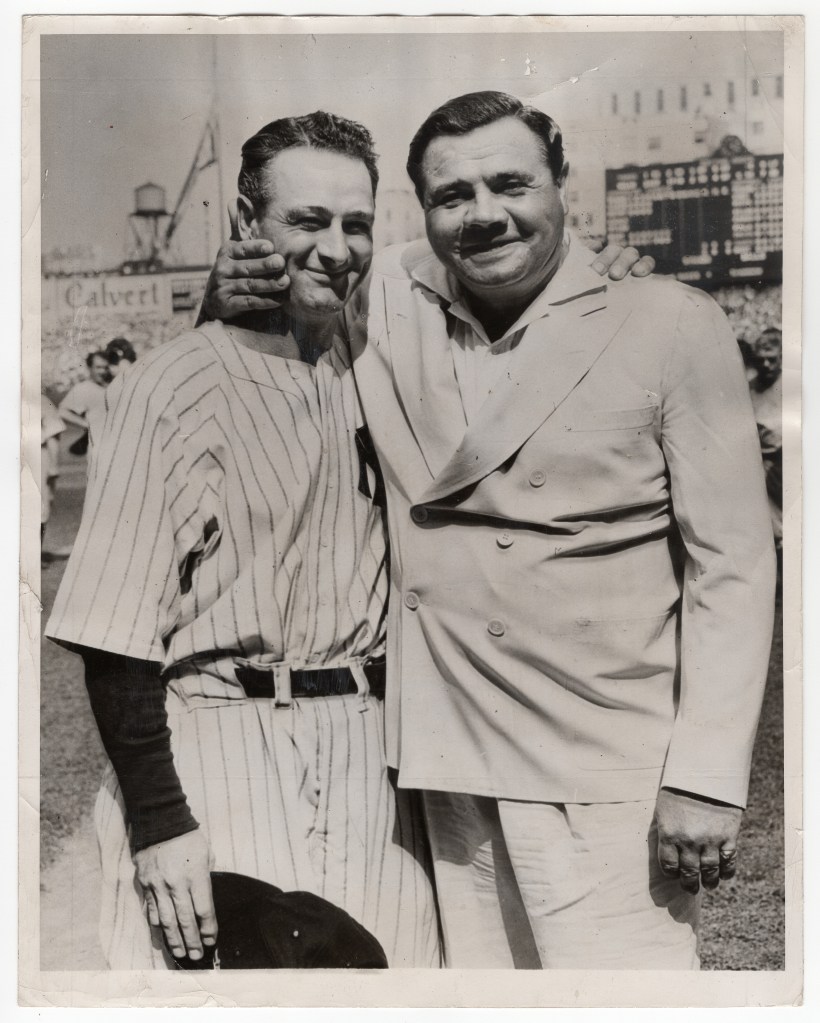


The clear significance (as compared to some “other” Type 2 versions of this photograph) is the June 3, 1941 use of the photograph, just 1 day after Lou Gehrig passed away.
CONTENT
Another example, speaking to the context of when and how a photograph was developed is this recent addition, featuring Babe Ruth (image from 1921) and Lou Gehrig (image from 1923) which was developed in 1927, while the duo’s heated homerun battle was unfolding, with Ruth being the ultimate victor that year with a record 60 home runs. Combined, Ruth and Gehrig would hit 107 home runs that season with Lou winning the American League MVP, batting .373 with a single-season record of 175 RBI’s.
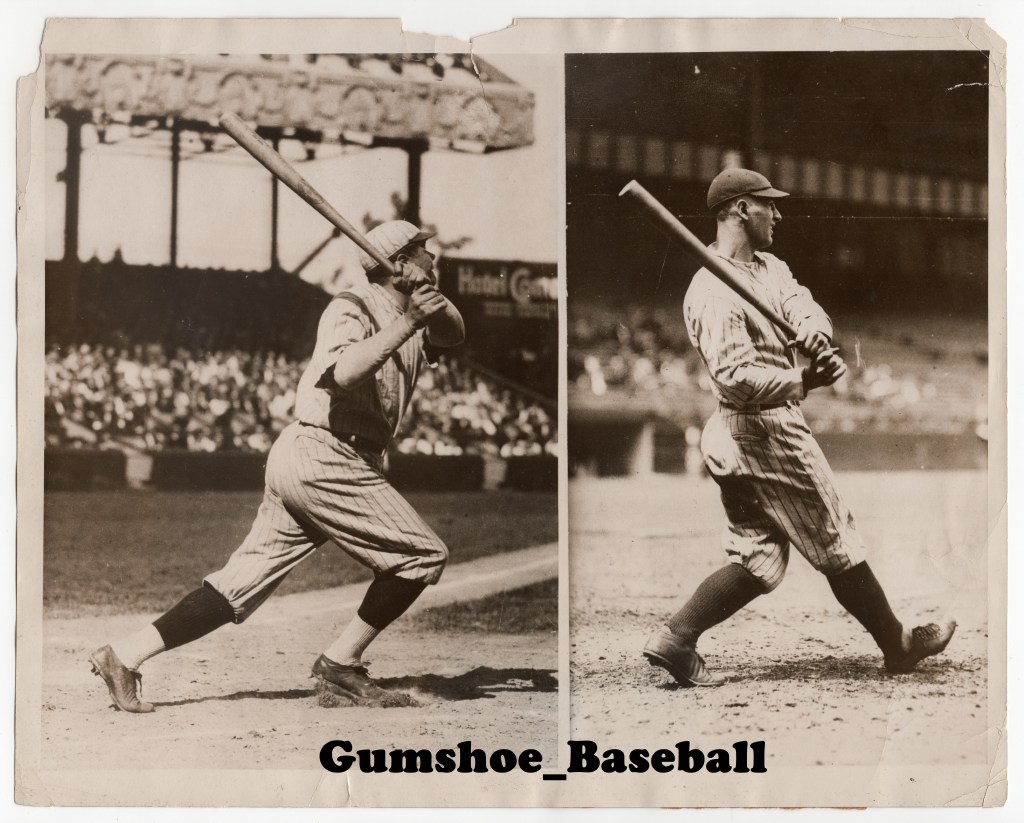
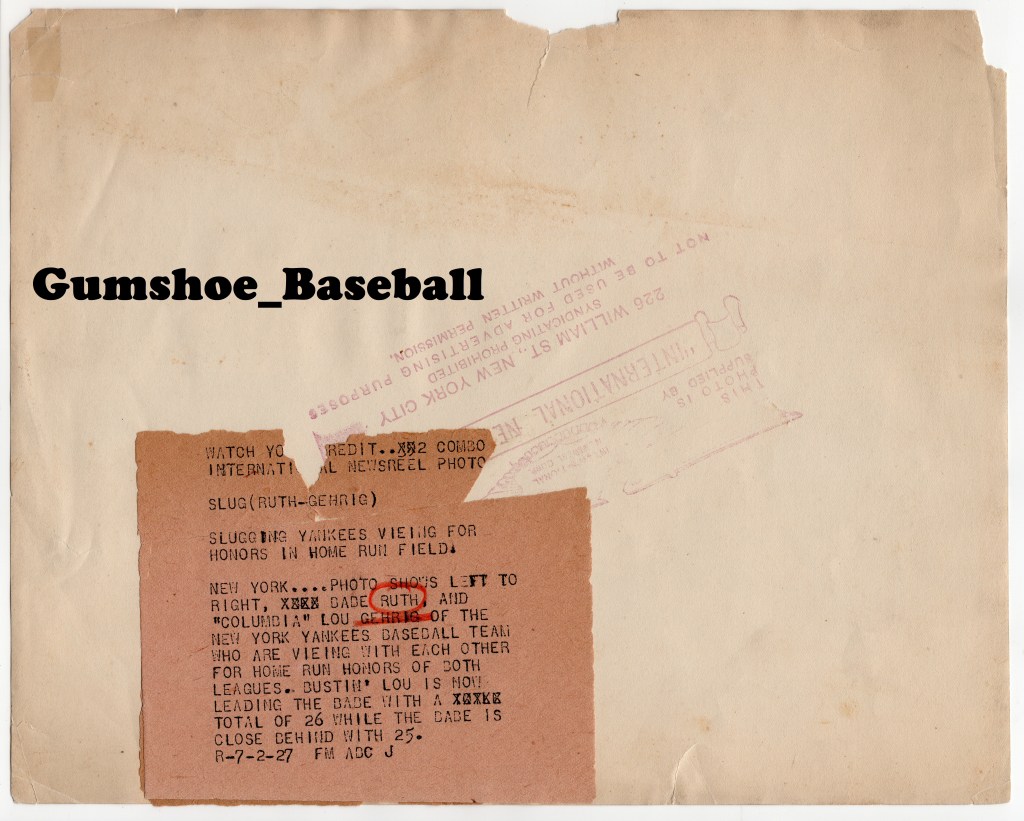
By technical definition, this would be classified as a Type 4 photograph (from a duplicate negative, later than when an image was created), but clearly the photograph has so much going for it that it cannot be overlooked, nor undervalued. The Ruth image, showing The Great Bambino in the single year Yankee’s uniform (1921) at The Polo Grounds has been used for multiple cards (including Ruth’s 1926 Kut-Outs and 1932 Sanella Margarine, among others) and various publications over the years; And the Gehrig image (recognizable from Lou’s 1928 Exhibits card) originates from Lou’s first stint with the Yankees in June of 1923, arguably a pre-rookie image. Also, a fantastic overall compositional artifact as both are at the plate, not possible in any other way.
ORIGINALITY
Another aspect of non-Type 1 photographs, is that a Type 1 may no longer exist, and while some caution must be applied to each photograph, there can be additional appreciation and value assigned to these artifacts, as they are comparable to the relationship between a near-mint card and a gem mint card.
Case in point, is this 1912 “Bullet” Joe Bush photograph, by the Bain News Service. The Library of Congress houses many of Bain’s original negatives, one of which is the negative for this photograph. https://www.loc.gov/item/2014694492/
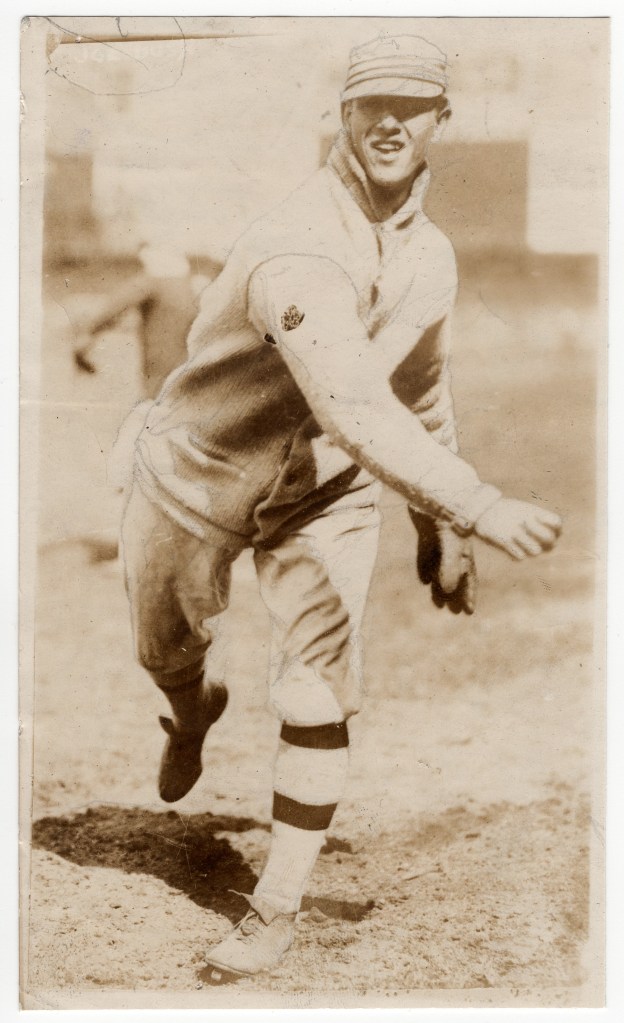
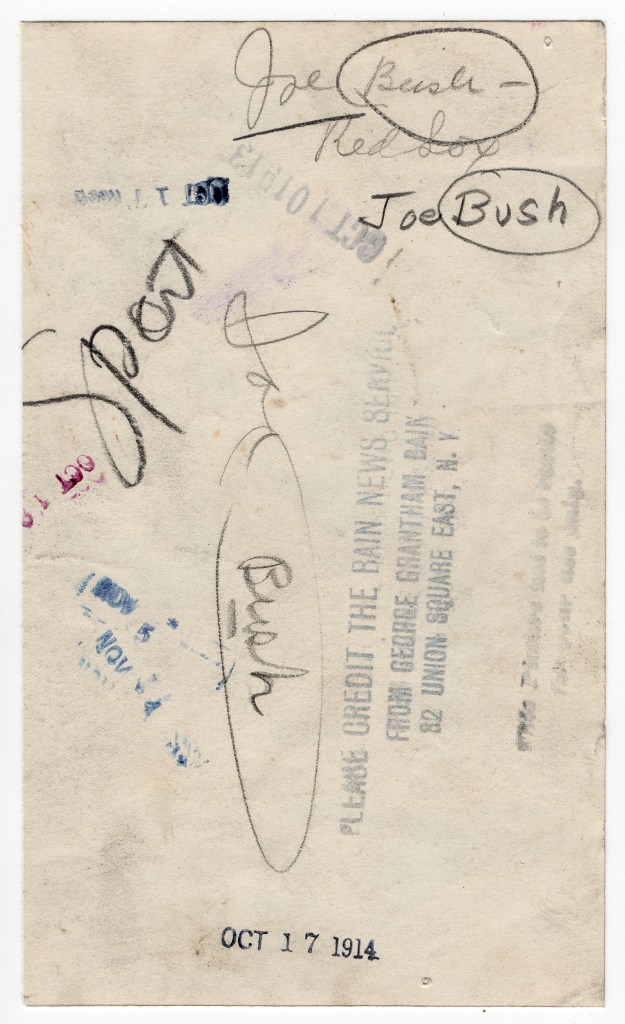
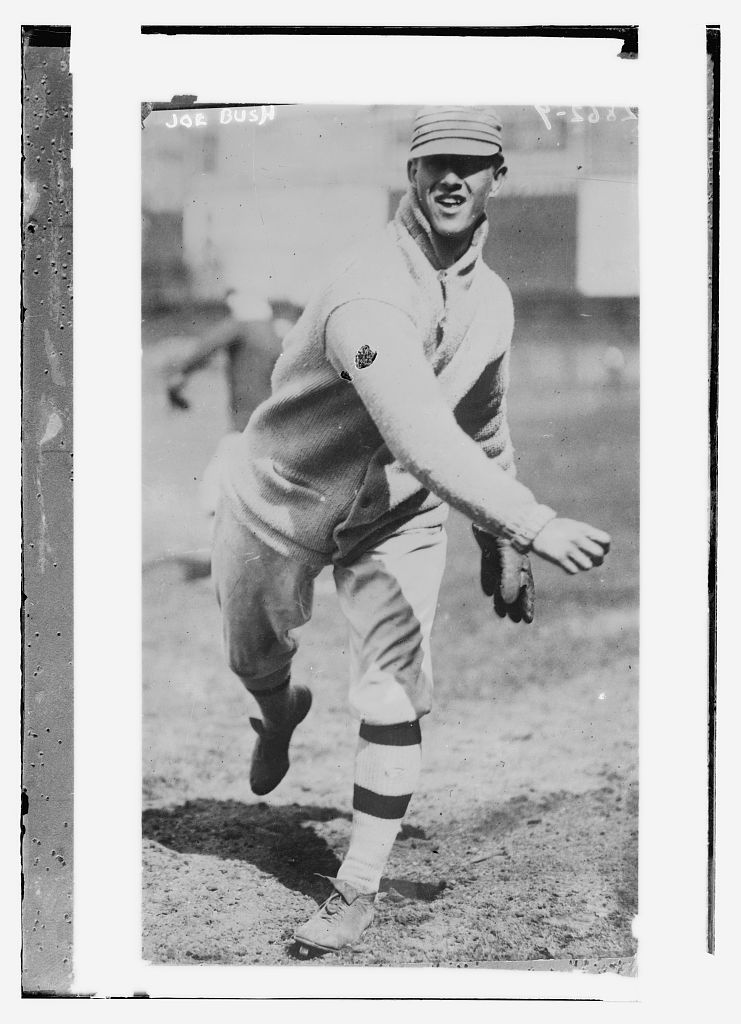
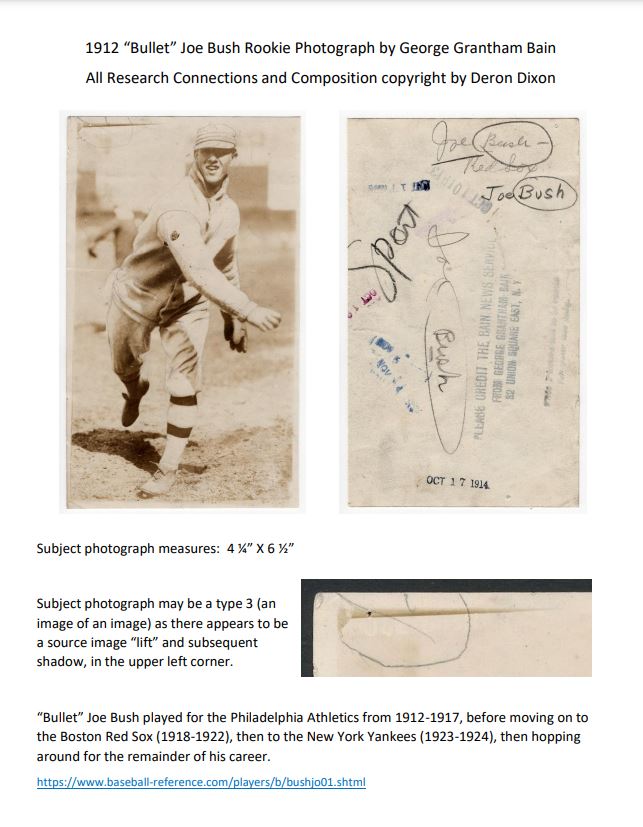
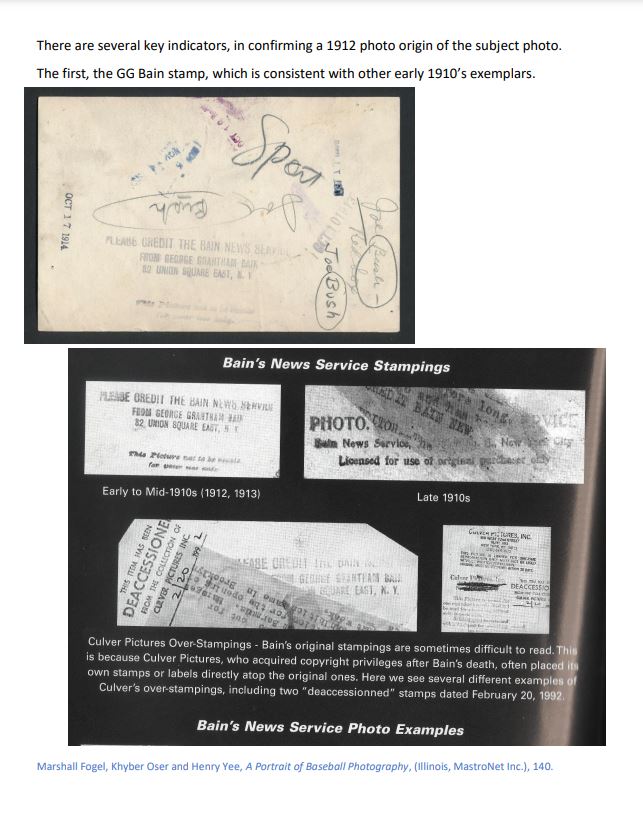

This does make a strong case that an original Type 1 no longer exists, and suggests that it was the final version by Bain, as his original 1912 stamp graces the back of the photograph.
Copyright Gumshoe Baseball. All rights reserved. Source cite required.
 Gumshoe_Baseball